Guard Your Gates: Protecting Your Faith in a Compromising World

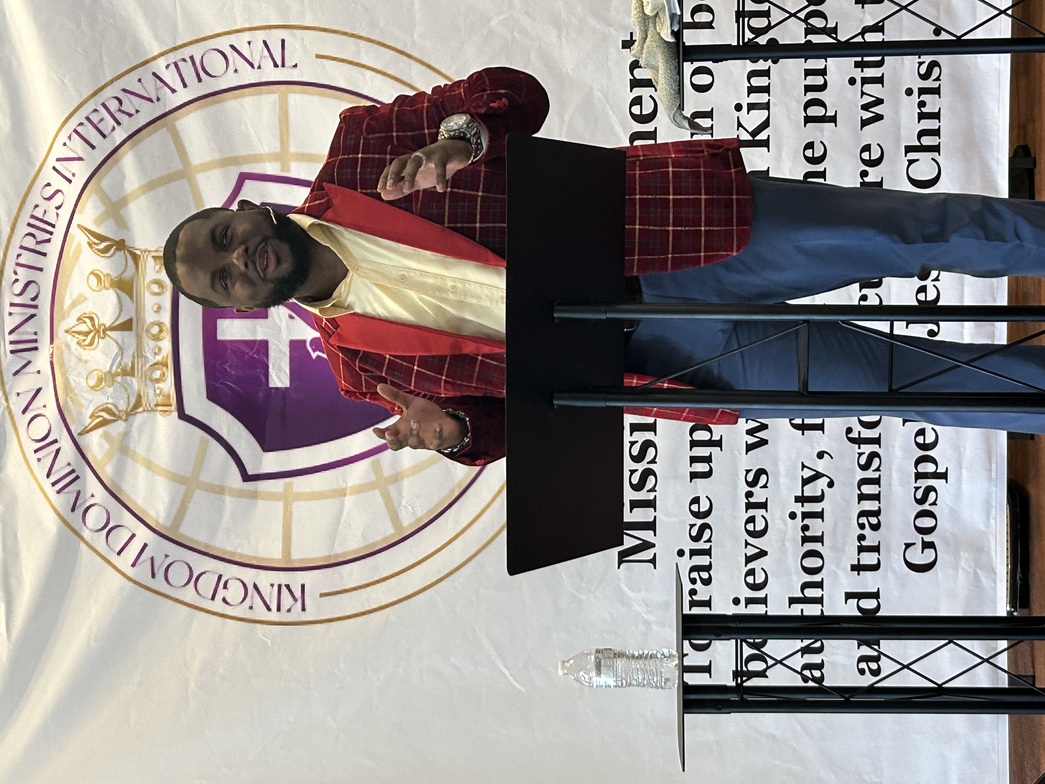
Over the past several weeks at Kingdom Dominion Ministries International, we have been walking through an important and timely teaching: Guard Your Gates.
In a world filled with noise, competing ideas, and cultural pressure, believers must learn how to guard the entry points of their lives. The gates of our lives determine what influences our thinking, what shapes our convictions, and ultimately what governs our spiritual authority.
Scripture gives us a powerful instruction in Proverbs 4:23:
“Keep thy heart with all diligence; for out of it are the issues of life.”
The word keep means to guard, protect, or watch carefully. In other words, God calls His people to be intentional about protecting the inner life. What we allow into our hearts and minds eventually influences the direction of our lives.
Guarding your gates is not simply about avoiding sin. It is about protecting the integrity of your faith.
Understanding the Gates of Our Lives
When we talk about “gates,” we are referring to the entry points that shape our thinking and influence our beliefs. These gates include the mind, the words we speak, the influences we listen to, and the agreements we make internally.
Every believer must guard these areas carefully.
The mind is a gate.
The mouth is a gate.
Relationships can be gates.
Media and culture can be gates.
What enters through these gates eventually shapes how we see the world and how we interpret truth.
Jesus taught a powerful principle in Matthew 15:11:
“Not that which goeth into the mouth defileth a man; but that which cometh out of the mouth, this defileth a man.”
Jesus was pointing to something deeper than external behavior. He was revealing that what enters the heart eventually produces fruit in a person’s life.
In other words, exposure shapes belief.
If we consistently allow voices into our lives that contradict Scripture, confusion will eventually replace conviction. Guarding our gates helps us remain anchored in truth.
Why the Faith Must Be Protected
As believers guard their gates, they are also protecting something greater: the faith itself.
The book of Jude gives us a strong exhortation:
Jude 1:3
“Beloved… it was needful for me to write unto you, and exhort you that ye should earnestly contend for the faith which was once delivered unto the saints.”
The phrase earnestly contend means to struggle for, defend, or protect something valuable. Jude was reminding the early church that the faith is not something believers simply hold privately—it is something that must be protected and preserved.
Throughout history, the truth of the gospel has been challenged by false ideas, cultural pressure, and distorted teaching. The enemy’s strategy has always been to weaken the authority of God’s Word.
We see this strategy all the way back in the Garden of Eden. In Genesis 3:1, the serpent asked Eve a subtle but powerful question:
“Yea, hath God said…?”
The enemy did not begin with open rebellion against God’s Word. He began by questioning it.
That same strategy still exists today. Truth is often challenged through subtle shifts in thinking, cultural narratives, or ideas that appear reasonable but contradict Scripture.
This is why believers must remain rooted in the Word of God.
Conviction Produces Courage
One of the results of guarding our gates is that our convictions grow stronger.
Conviction is what enables believers to stand firmly for truth even when truth is unpopular.
The apostle Paul expressed this confidence in 2 Timothy 1:12:
“For I know whom I have believed, and am persuaded that he is able to keep that which I have committed unto him against that day.”
Paul’s faith was not uncertain or fragile. He said, “I know whom I have believed.” That is the language of conviction.
Conviction produces courage. When believers are convinced of the truth, they are not easily shaken by opposition or cultural pressure.
However, conviction does not grow through casual Christianity. Conviction grows through spiritual discipline.
It develops when believers consistently:
-
Study the Word of God
-
Spend time in prayer
-
Walk in obedience to the Lord
-
Surround themselves with godly influence
These practices strengthen our faith and protect our hearts from deception.
Recognizing Subtle Deception
Another reason believers must guard their gates is because deception rarely appears obvious.
Jude warns the church about this in Jude 1:4:
“For there are certain men crept in unawares…”
The phrase “crept in” describes something that slips in quietly or unnoticed.
False teaching rarely arrives aggressively. Often it comes in subtle forms—ideas that sound compassionate, reasonable, or culturally acceptable but ultimately contradict the truth of Scripture.
This is why the Bible calls believers to exercise discernment. In 1 John 4:1, we are instructed:
“Beloved, believe not every spirit, but try the spirits whether they are of God.”
Discernment allows believers to test what they hear and evaluate it through the lens of God’s Word.
When our gates are guarded, deception has a harder time gaining influence.
Guarding the Faith for the Next Generation
The responsibility to guard our gates is also connected to a larger calling: preserving the faith for future generations.
Paul reminded Timothy of this responsibility in 1 Timothy 6:20:
“O Timothy, keep that which is committed to thy trust…”
The gospel has been entrusted to every generation of believers. It is our responsibility to protect the truth, live it faithfully, and pass it forward.
When believers guard their gates, they strengthen their convictions. When convictions are strong, the church remains anchored in truth.
And when the church remains anchored in truth, the faith continues to impact the world.
A Call to Guard Your Gates
As we reflect on this teaching, each believer must ask an important question:
What gates in my life need greater attention?
Are we guarding our thought life?
Are we discerning the voices we allow to influence us?
Are we anchoring our convictions in the Word of God?
Guarding our gates protects our hearts, strengthens our faith, and equips us to stand firmly for truth.
The church is not simply called to believe the faith. The church is called to contend for the faith.
Truth must be protected.
Truth must be lived.
Truth must be proclaimed.
And it begins with guarding your gates.
Kingdom Dominion Ministries International is committed to equipping believers with the Word of God so they can live in spiritual authority and walk in Kingdom dominion.
To learn more, submit a prayer request, or partner with us, visit:
-
KDMI Worship Hub (In-Person)